
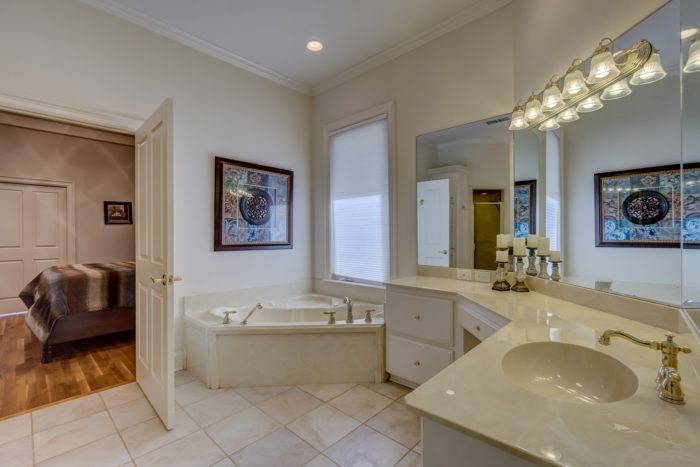
Contemporary apartments cannot be imagined without a bathroom. Such place is aimed for both every day morning procedures and relaxing. A washroom should bring positive emotions and energy.
Planning a tub, people are offered numerous variants from the viewpoint of design. Washrooms should be both functional and convenient. There exist plenty of different variants. Sometimes it’s rather hard to pick up the most appropriate way.
The following aspects are among the most important while planning a washroom design:
• Style selection. There exist numerous styles for a washroom interior: timeless classic, modern, popular Japanese, strict Scandinavian, etc.
• Washroom fixtures purchasing. A tub and a vanity are considered as basics of a bathroom. Over the years homeowners apply to bathtub restoration companies in order to make their tubs new looking.
• Furniture items materials. Pick up qualitative and humidity-resistant furniture units matching your demands and preferences.
Thus, planning a washroom is an important task that demands enough time devoting.
Good washroom planning is about sequence — deciding what stays, what changes, and in what order, before a single tool comes out. We always start by cataloguing the fixtures you already own, because many of the surfaces people assume must be replaced are perfect candidates for renewal. Our bathtub reglazing, for example, lets you keep the tub exactly where it is while still landing a fresh, modern finish.
From there we map the room surface by surface. Wall and floor coverings usually come next, and our tile reglazing can update dated colors and tired grout lines without the cost and mess of a full tear-out. We fold the smaller fixtures into the same plan, coordinating sink refinishing so the basin matches the overall scheme, and we address wet zones early with shower pan reglazing to keep the most-used surface durable and watertight.
Planning this way keeps your budget under control and your timeline short, because refinishing happens in hours rather than the weeks demolition demands. By the time we finish, every surface has been considered as part of one cohesive design — layout preserved, materials refreshed, and no unpleasant surprises. That is the difference between a washroom that was renovated and one that was actually planned.
If your bathroom in Sheepshead Bay could use this kind of refresh, our team is already in the neighborhood: reglazing and refinishing in Sheepshead Bay. We also work across Brooklyn. You may also like: Planning a washroom: making our mornings pleasant and full of positive energy.