
A pre-war bathroom in NYC often still has its old cast-iron tub, mosaic floor and wall tile. Before demolition starts, it pays to understand which of these things are worth keeping. Some of them are hard to find new in the same quality.
What a Pre-War Apartment Bathroom Usually Has
Most pre-war apartment bathrooms are built from the same few parts: a cast-iron tub, a hex or octagon mosaic floor, white subway tile on the walls and a pedestal sink. Some came through later remodels with only a few of these left. Each one calls for its own decision.
The cast-iron tub
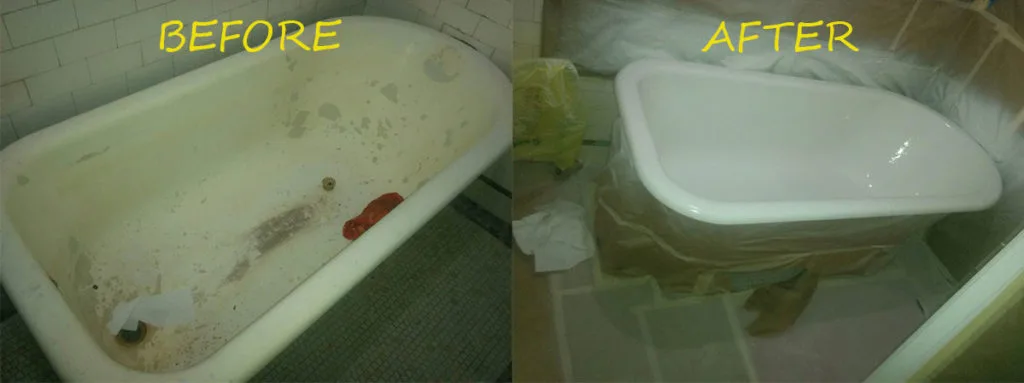
Cast-iron tubs are still the classic, because the material is strong and lasts a long time. A cast-iron tub can serve for decades. It stands up to impacts, but it should not be dropped, because it can crack. The bottom does not flex under a person's weight. It is almost silent while filling, and the water stays warm for a long time.
It has drawbacks too:
- There are fewer shapes than with acrylic tubs.
- It weighs about 220 to 330 lb, so carrying one up the stairs of a walk-up without an elevator and setting it in place is hard work.
- The surface is slippery.
- A damaged coating is hard to repair yourself.
- Cast iron heats up slowly and cools down just as slowly.
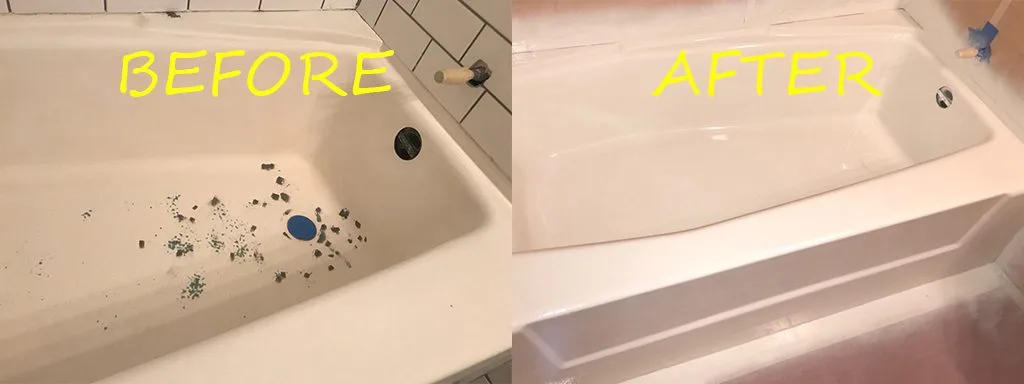
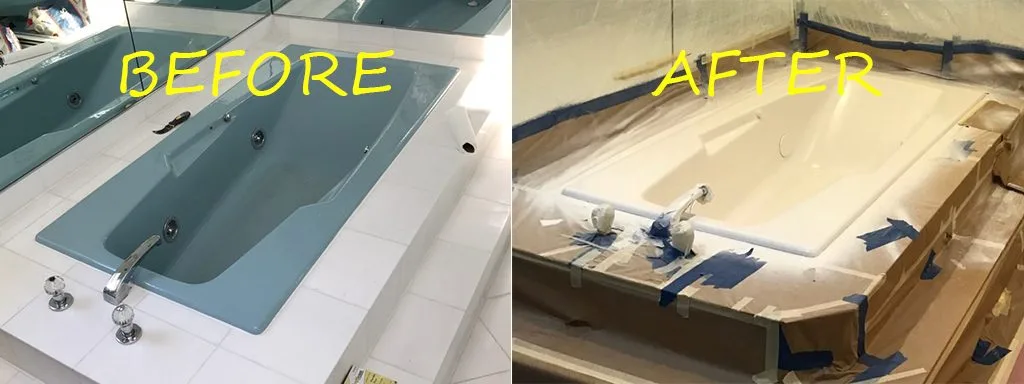
The feet are made of cast iron and painted separately. A damaged surface on a pre-war bathtub is restored with a new coating. This job takes skill, so it is better to turn to a pro. Our bathtub reglazing service covers this work. For daily care, rinse the tub after each use with a sponge and water with a mild detergent. Abrasives, acid cleaners and scouring powders are not used, because they scratch the enamel.
Hex or octagon mosaic floor
A mosaic floor gives a bathroom character and style. Over time it wears, fades and loses its structure. Mosaic is labor-intensive and expensive to make, so laying the same thing again from scratch often makes little sense. A restored floor keeps its original pattern and its authenticity.
Subway tile and the pedestal sink
The white wall tile and the sink are the other half of the room. If the wall tile holds firmly, it can often be kept (more on that below). For questions about the sink, see our sink and vanity service page.
Restore or Replace: Pre-War Bathroom Tile
The National Park Service brief on ceramic tile floors says repair beats replacement, and that reproduction tiles exist for the pieces that cannot be saved. Restoring a mosaic floor brings back both its look and its function. It takes both craft and technical skill.
1. Assessing the condition
Everything starts with a careful inspection. It shows:
- cracks and chips in the tiles;
- places where the setting bed has let go;
- discoloration from dirt or fading;
- how worn the grout is.
From this inspection an experienced restorer decides on the methods and the scope of the work.
2. Preparing the surface
The old grout is removed with care, and the mosaic is cleaned of dirt and buildup. Sometimes individual damaged tiles have to be taken out and replaced.
3. Repairing and filling the tiles
Special compounds are used to fill cracks and pits. Where a tile cannot be saved, a new one is set in, as close to the original in color and texture as possible.
4. Grouting and sealing
The grout is renewed or replaced completely. Attention goes to keeping the joints waterproof, which is critical in a bathroom.
5. Final finish
Once everything has dried fully, a protective coating or sealer is applied. It extends the life of the floor and makes cleaning easier.
When part of the floor or wall really has to go, that is a tile replacement job for damaged areas. Where the tile is sound but the surface is tired, see our tile reglazing service page.
Materials Used for Restoring Old Tile
The choice of materials has a strong effect on quality and how long the result lasts.
- Epoxy grout fills joints and cracks. It is waterproof and strong, but hard to apply and needs care.
- Cement grout with polymer additives is easy to find and easy to work with, but it handles moisture worse.
- Special mosaic adhesives hold individual tiles firmly to the base, though they do not always suit old bases.
- Sealers and protective coatings guard against moisture and dirt, extend the life of the floor and make care easier, but they need regular renewal.
A bathroom is a room with high humidity and constant contact with water, so it needs its own approach:
- use moisture-resistant materials;
- waterproof the base without fail;
- if there are hidden defects, partly taking up the floor may be necessary;
- ventilate regularly and keep the room's climate in check to lower the risk of mold.

1950s Pastels: Keep Them or Go White
Many bathrooms that started out pre-war got new tile after the war. That brought pink bathroom tile, mint green bathroom tile and other pastels. You do not need to tear out old tile you dislike just yet. It can be freshened up, especially if it holds firmly.
Sometimes it is enough to renew only the grout. Grout that has darkened, gone moldy or broken down over time spoils the whole look. For practicality, you can pick a darker material, and for an accent, a contrasting one. A moisture-resistant compound is also the right choice here.
A less expensive option is a new coating over the tile. How a color change works is explained in our post yes, you can change your tile color. Whether to stay pink or go white is covered in our guide to choosing a reglazing color.
Sound old tile is a reason to restore, not to demolish.
For vintage bathroom tile replacement or 1950s bathroom tile replacement, the same rule applies as with pre-war tile: first check how firmly the tile holds.
Co-op and Condo Paperwork
In a co-op or condo, building management usually wants papers before any contractor comes in. We send management a certificate of insurance before a visit. Check your building's own rules with management. If your building is in Queens, see our Jackson Heights service area page.
Lead Paint in a Pre-War Bathroom
Under NYC Local Law 1, paint in buildings built before 1960 is presumed to be lead-based. Where a child under 6 lives, repairs that disturb more than 2 square feet must follow safe work practices. The rules and the owner's duties are set out on the NYC HPD page on lead-based paint.
Order of Work and Mistakes to Avoid
A pre-war bathroom renovation goes more smoothly when the steps follow each other:
- Decide what stays: tub, floor, wall tile, sink.
- Sort out the paperwork with building management and check the lead paint rules.
- Inspect the floor and walls: cracks, chips, loose tile, worn grout.
- Do the work that disturbs surfaces: repairs, tile replacement, regrouting.
- Restore the surfaces of the tub and tile last.
Mistakes to avoid when restoring mosaic floors:
- ignoring the condition of the base, since serious defects are often hidden under the tile;
- choosing materials and grout not meant for wet rooms;
- cleaning too aggressively, which ruins decorative elements;
- leaving out the protective layer once the work is done.
Care after restoration
- Wipe the floor regularly with a soft damp cloth.
- Do not use harsh household chemicals.
- Use products made for mosaic.
- Check the joints and the condition of the surface once a year.
Restoring an old bathroom is a process of several stages, from assessing the condition to the protective coat. Success depends a great deal on attention to detail and on who does the work. To ask about your own bathroom, use our contact page to reach us.