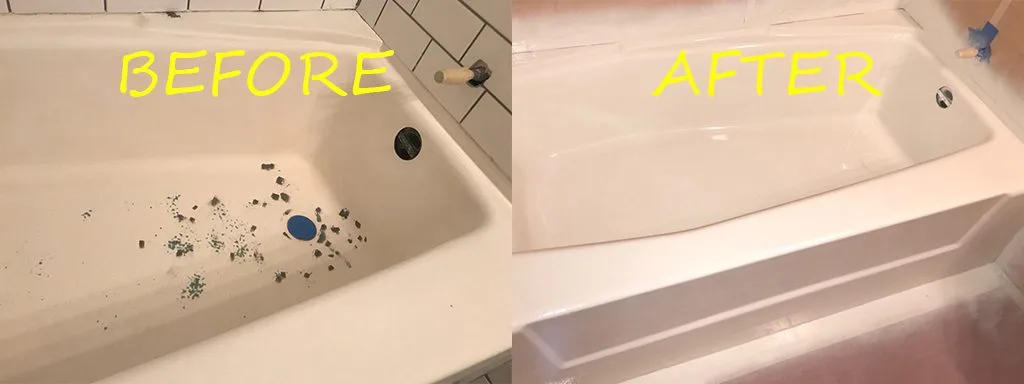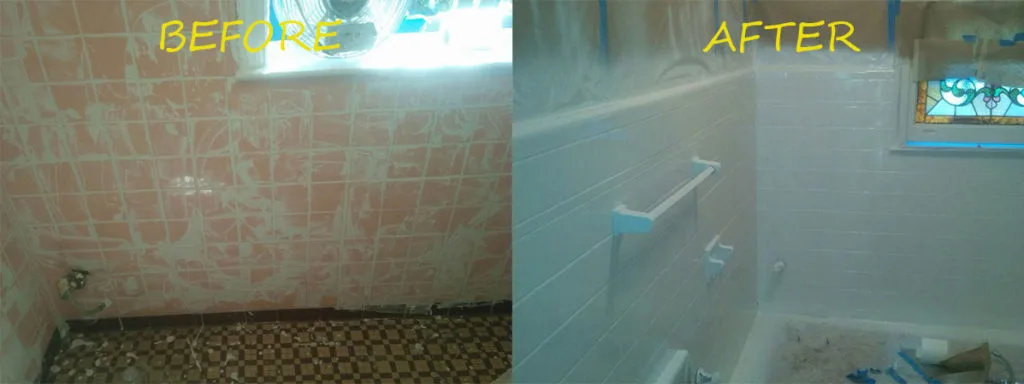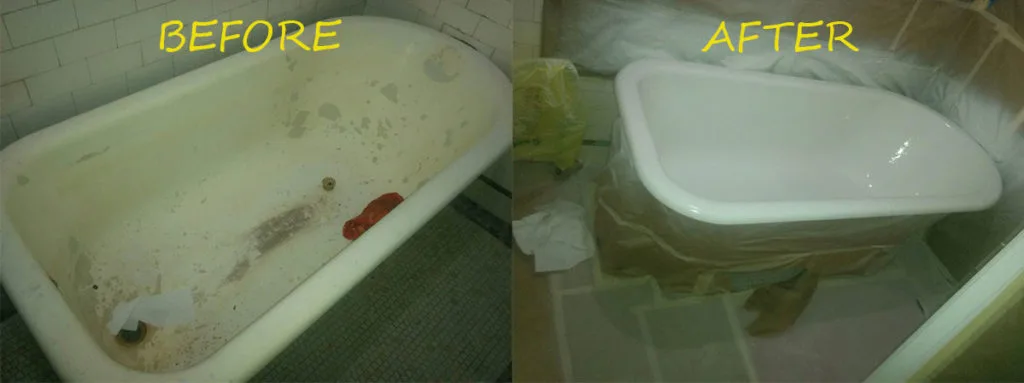

Over time any bathtub loses its looks: chips appear, the surface yellows and turns rough. Tearing the tub out is expensive and messy, but there are ways to bring back a white finish without demolition, and the two most common are an acrylic liner and reglazing. Below is how they differ, with the pros and cons of each.
What a Bathtub Liner Is and What Reglazing Is
The bathtub liner
A liner is a ready-made shell of impact-resistant acrylic or PVC, molded to the size of the tub, that is set into the old tub and glued over it. It is fixed with a special adhesive-sealant, and the joints are sealed. Liners often come with wall panels that cover the surround as well. Installing a bathtub liner over the existing tub does not mean taking the tub out, but the tile along the rim sometimes has to come off.
Reglazing
At the factory, cast iron and steel tubs are coated with enamel that is fired at high heat. After a few years of use this layer goes dull, rough and yellow. It cannot be redone the same way at home, so a simpler method is used: a new coating is applied cold, without firing. Reglazing renews the tub's own surface in place. Older coatings were based on alkyd lacquers; today two-component polymer coatings with high wear resistance are used. If you want the details of how the work is done, see our bathtub reglazing service page or the overview of ways of restoring an old bathtub.
Bathtub Liner vs. Reglazing: Pros and Cons
When you compare materials for renewing a tub, price is not the only thing that counts. The options differ in look, service life, curing time and how well they stand up to damage. Here are the strong and weak sides of each.
Pros of an acrylic liner
- Close fit. The liner is made for the specific dimensions of the fixture, so it sits tight against the base.
- No rust. The material does not let dirt or corrosion through.
- Holds heat longer. The double walls keep the water warm longer.
- Repairable. Minor scratches can be polished out.
- Quick to install. The tub can be used again about a day later.
Cons of an acrylic liner
- Higher cost: the liner itself plus the labor.
- The tub loses roughly half an inch to an inch of inside space because of the double walls.
- Gaps are possible if the measurements were taken poorly.
- Installation often requires taking off the tile around the tub or starting a renovation, which raises the total spend.
- For non-standard shapes this option will not work at all, and not every old tub suits it (a badly damaged one, for example).
Installation is fairly involved, so it is left to professionals. If the work is done wrong, the adhesive loses its elasticity from cold and moisture.
Pros of reglazing
- Lower cost than a liner.
- It covers chips, scratches and worn spots.
- No need to remove the tile or the tub itself, and no changes to the plumbing.
- Works for cast iron and steel tubs, and for practically any tub regardless of age and shape.
- Many shades are possible through tinting.
Cons of reglazing
- Needs time to cure before use.
- It can peel if the surface was prepared badly.
- It is sensitive to harsh cleaners and chlorine.
- A heavy or sharp object dropped in the tub leads to chips and cracks.
- A strong chemical smell during the work.
A reglazed tub also needs more careful care: no abrasive cleaners.
How Each One Is Put In
Installing a liner
It follows a set order. First the tub is cleaned with a powder cleanser, then the old surface is sanded with a sander or sandpaper so the new layer sits as tight as possible. Rusty spots are treated with a rust converter, then washed well with soapy water, rinsed and dried. After that the surface is degreased with acetone, with the room ventilated and no flame nearby. Before installation the tub is warmed with hot water, the water is drained and the drain fittings are removed.
The liner is test-fitted first to check the fit. Extra edges are trimmed, and drain holes are cut in place. Then the shell is lifted out, foam or silicone adhesive goes onto the inside walls of the tub, and the areas around the drains get extra sealant. The liner is lowered in carefully and clamped. The drain fittings are put back and pressed down tight. Any foam or glue squeezed out at the edges is wiped off right away with a dry cloth.
To make the liner sit tight and even, the tub is filled with water at about 104 °F. With correct installation the new surface bonds to the old one and the joints stay invisible. The adhesive takes about a day to set; after that the water is drained, the protective film is removed, and the tub is ready to use.
Applying the new coating
Reglazing calls for more care and preparation than work with acrylic. So that the new layer goes on even, without bubbles or runs, the old surface is taken down with a sander, then the dust is removed thoroughly and the whole work area is degreased. Drain fittings are removed, containers are placed under the drain openings, and areas that are not to be coated are covered with film or masking tape. Work starts with a primer, spread from top to bottom.
Most often a two-component epoxy-based material is used, mixed with hardener right before application. The mix thickens fast, so it is prepared just before the work and strictly by the instructions; that gives a strong bond and keeps the coating from peeling. Professionals spray the coating with a thinner version of the material: the fine nozzle spreads it evenly and cuts down on how much is used. Brushed-on kits are a different job; see DIY reglazing kits versus hiring a pro.
For a strong, glossy finish the coating goes on in several layers, each one fully dry before the next. We spray three to four coats of epoxy enamel. Full drying time depends on the thickness of the layer.
How Long Does a Bathtub Liner Last, and How Long Does Reglazing Last
Figures quoted for a liner vary widely. For a professionally applied coating, 10 to 15 years with care is typical; a brushed-on DIY coat in harsh conditions lasts less. A lot depends on how the surface was prepared and how the tub is used. A separate article covers how long a professionally reglazed tub lasts.

What Drives the Cost
A polymer liner costs more than a coating, though still less than new fixtures. The bill for a liner is the shell plus the labor, and if the tile along the rim has to come off, or a renovation has to start because of it, the total goes up. Reglazing is the less expensive of the two: nothing is taken apart, and the plumbing stays as it is. The condition of the tub matters for both: deep cracks or heavy corrosion may call for full replacement. For that comparison, read what reglazing vs. replacement actually costs.
Moisture Behind a Liner
A liner and its wall panels are a shell over the old surface. If a seal fails, water gets behind it and stays out of sight. The EPA's brief guide to mold and moisture says the key to mold control is moisture control. With a liner, check the tightness of the joints from time to time and avoid sharp temperature swings.
A liner covers the old tub; reglazing renews it, and nothing is left hidden behind it.
When a Liner Makes Sense and When Reglazing Does
Reglazing fits if the budget is limited, the tub has no serious deformation and you are ready to renew the coating when it wears. It is also the choice for very old or non-standard tubs, where a liner cannot be installed or is not worth it. The same in-place work can be done on the wall around the tub with tile reglazing for the surround, and there is a piece on three ways to restore ceramic tubs.
An acrylic liner is for those who want a long-lasting result and do not mind losing a little inside space. It needs standard dimensions, a good measurement and professional installation.
Are bathtub liners a good idea?
They can be, when the tub is a standard size, the room is heated and the seals are watched. They are not, when the tub has an odd shape, when the tile is not supposed to come off, or when water could sit unseen behind the shell.
Is it worth reglazing a bathtub?
If the tub itself is sound and only the surface is worn, yes: the tub stays in place, the tile stays in place, and the surface is new. Before the work, assess the tub honestly. You can look at before and after photos of reglazed tubs, or read about bathtub reglazing in Throgs Neck.
Non-slip on both
Both a liner and a reglazed surface are described as smooth and glossy, and a glossy surface is slick when wet. Whichever you choose, ask about a slip-resistant surface on the floor of the tub before the work starts. To talk over your tub, use our contact page to reach us.